 By
By
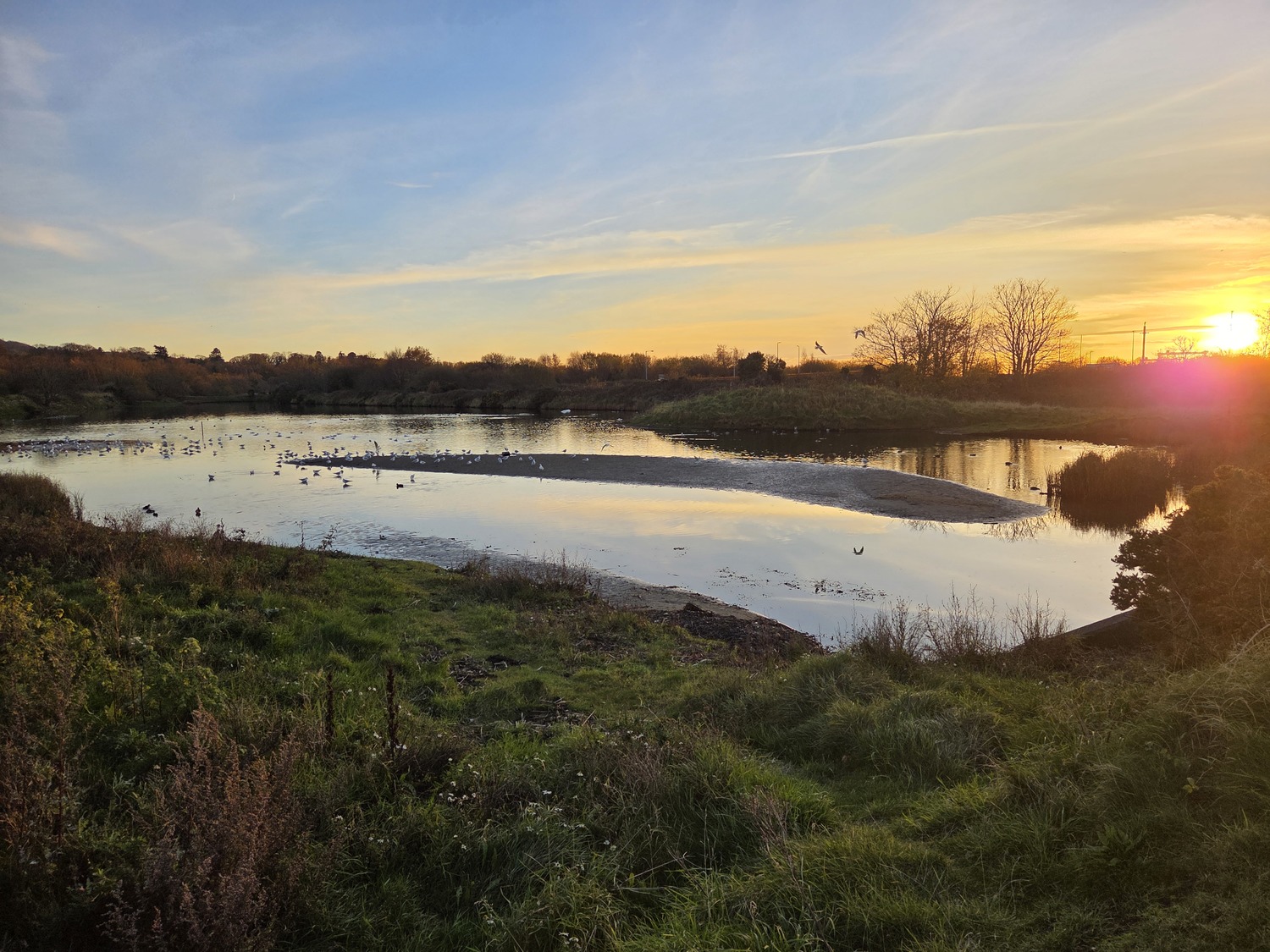
Untreated wastewater is one of the biggest threats to Belfast Lough and other waterways. Photo by Tommy Greene
Northern Ireland’s wastewater treatment plants are performing significantly worse than official figures suggest, according to internal documents obtained by The Detail.
A series of unannounced inspections showed NI Water plants falling well below reported compliance levels, by as much as 10% in some years.
Domestic and commercial wastewater can harm the environment, and is the source of a quarter of the pollution at Lough Neagh.
NI Water’s reported compliance levels are currently assessed by inspections announced up to a year in advance. The results from these tests routinely show wastewater treatment exceeding target compliance levels.
However the results from the unannounced tests, which have not been made public before, show a significant disparity.
In each of the four years between 2020 and 2024, the unannounced tests show compliance results of 83-86%, compared with results of almost 94% for the announced tests.
NI Water’s regulatory targets during these four years ranged between around 92% and 93%.
In an internal briefing document obtained by The Detail, NI Water said the results “clearly shows a large divergence in compliance performance between the announced and unannounced sampling regimes”.
“The data insights from these pilots show a clear divergence from the externally reported announced (figures)”, the report added.
The problems inherent with the current model of announced inspections are widely recognised. All other regions in the UK moved to unannounced inspections years ago.
Officials from the NI Environment Agency (NIEA) told MLAs earlier this year that the current model risks giving NI Water “an opportunity to get your house in order” before an inspection.
The regulator proposed moving to unannounced inspections from January 2027. In preparation for the change, NI Water piloted a series of unannounced inspections.
Former environment minister and Foyle MLA Mark H Durkan told The Detail these findings were “very worrying”, raising questions of trust and of whether current regulation of the North’s public water company is effective.
“People will conclude from this that NI Water are cooking the books,” he said.
Mr Durkan, who also sits on Stormont’s Infrastructure Committee, said that, although there may be occasions on which it is warranted, NI Water’s reliance on pre-announced testing for its external performance figures “undermines public trust in the process”.
“It clearly shows there are hugely significant issues that many people will have suspected for some time. Now those suspicions are confirmed, it would appear,” he added.
Although these serious failings in Northern Ireland’s public wastewater treatment facilities appear to have been discussed internally for several years, they have not been reported in NI Water’s external compliance statistics.
In England and Wales, water firms have been sanctioned for failing to meet regulatory standards and for misreporting performance levels, including sewage leakages and broader wastewater compliance. Southern Water, Thames Water and Welsh Water have received fines ranging between £40m and £126m for such failings since 2019.
In a statement, NI Water said the tests were not ‘like for like’ because they targeted at-risk plants with unannounced testing.
“The unannounced sampling pilot is not a like for like sampling and analysis programme,” the spokesperson said.
“Due to sampling and laboratory capacity constraints the unannounced sampling pilot has been undertaken using a risk-based approach, with targeted sampling at sites identified as being potentially at higher risk.”
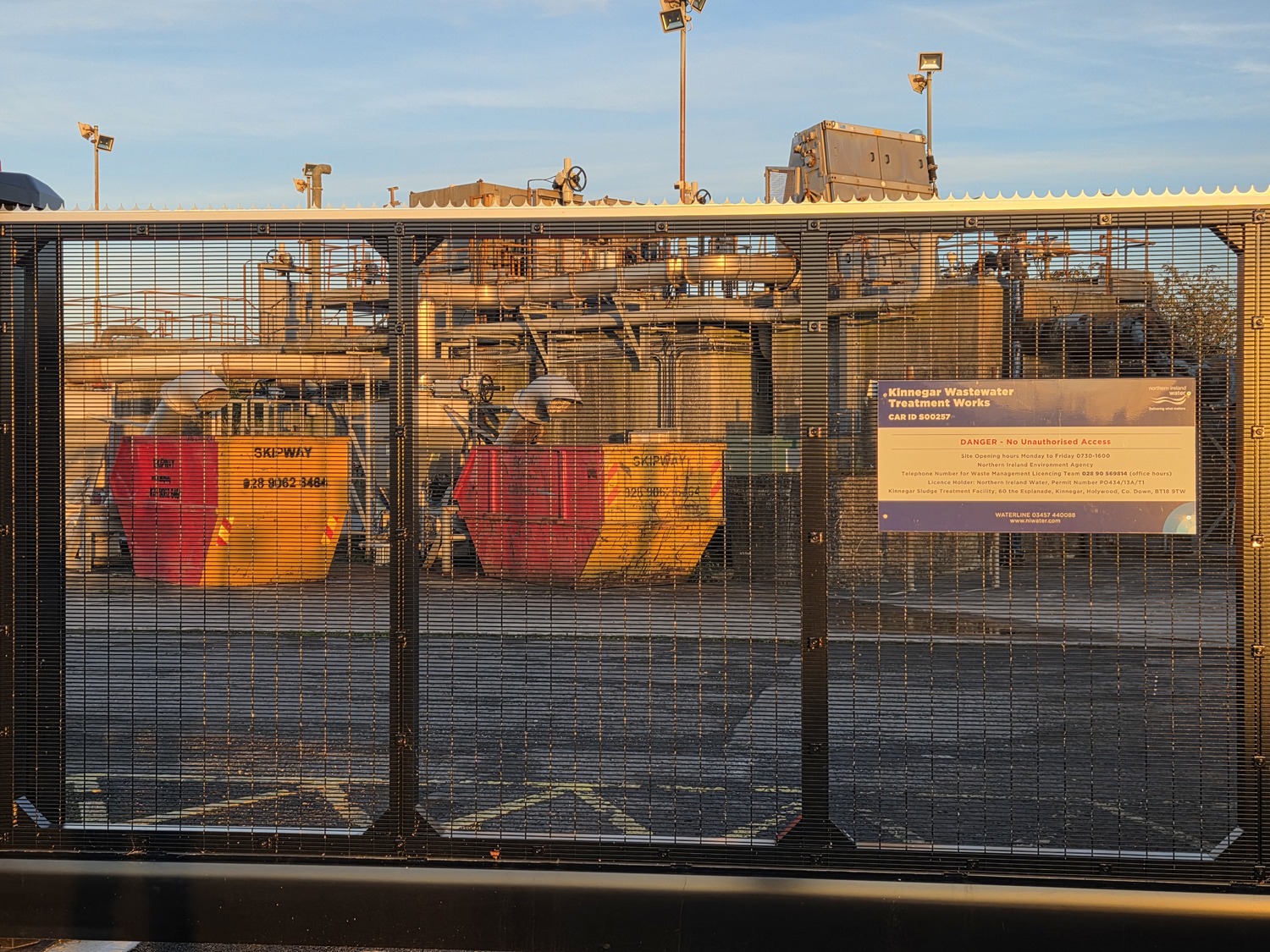
A wastewater treatment plant. Photo by Tommy Greene
Changes
Northern Ireland is the only part of the UK which still operates a model of pre-announced testing.
Last year a report into water quality by the NI Audit Office warned that the oversight of wastewater treatment was “outdated”.
Unannounced sampling was a key element of a NIEA reform initiative introduced in 2016.
However the intended rollout will not take effect until 2027 at the earliest and is subject to funding.
The NIAO report recommended that NIEA strengthen its oversight arrangements “in order to ensure that no drift is permitted beyond 2027.”
Failure to process wastewater has contributed to recurrent algal blooms and contamination risks at rivers and large waterbodies across the North.
David Kennedy from the Lough Neagh Rivers Trust called for greater clarity regarding the wastewater pollution NI Water is responsible for.
Mr Kennedy said “robust oversight and certainty” was needed over the full extent of sewage and other contaminants entering the region’s waterways.
“I think in all of this debate around water quality, what is most apparent is that we need to see increased transparency and honesty,” he added.
Capacity problems at wastewater works have been exacerbated by years of under-investment in the region’s wastewater infrastructure, which is thought to require roughly £2 billion in upgrade works to function effectively and safely.
Senior Department for Infrastructure officials were warned in a separate briefing document from July 2024 that, as a result of capacity pressures at many facilities, “a significant proportion of the biological load that arises in each catchment does not reach the treatment works”.
The document noted a “wide range of deficiencies and issues” picked up by NI Water’s analyses.
This includes direct “losses” of sewage to waterways during wet weather, as well as pollution discharge as a result of “fatbergs” - deposits of oils and grease that accumulate in sewers along with wet wipes during drier periods
NI Water said “urgent action” was required to tackle long-standing funding issues.
“NI Water continues to highlight the very challenging situation, particularly in relation to wastewater, due to longstanding underfunding,” the spokesperson said.
“NI Water welcomes environmentally beneficial reforms, however, our ability to deliver change is dependent on being able to access long term funding. NI Water’s need for greater investment has received much attention and has been recognised by the Northern Ireland Fiscal Council.”