Police attend Dalradian inquiry after man citing disability refuses to stop recording

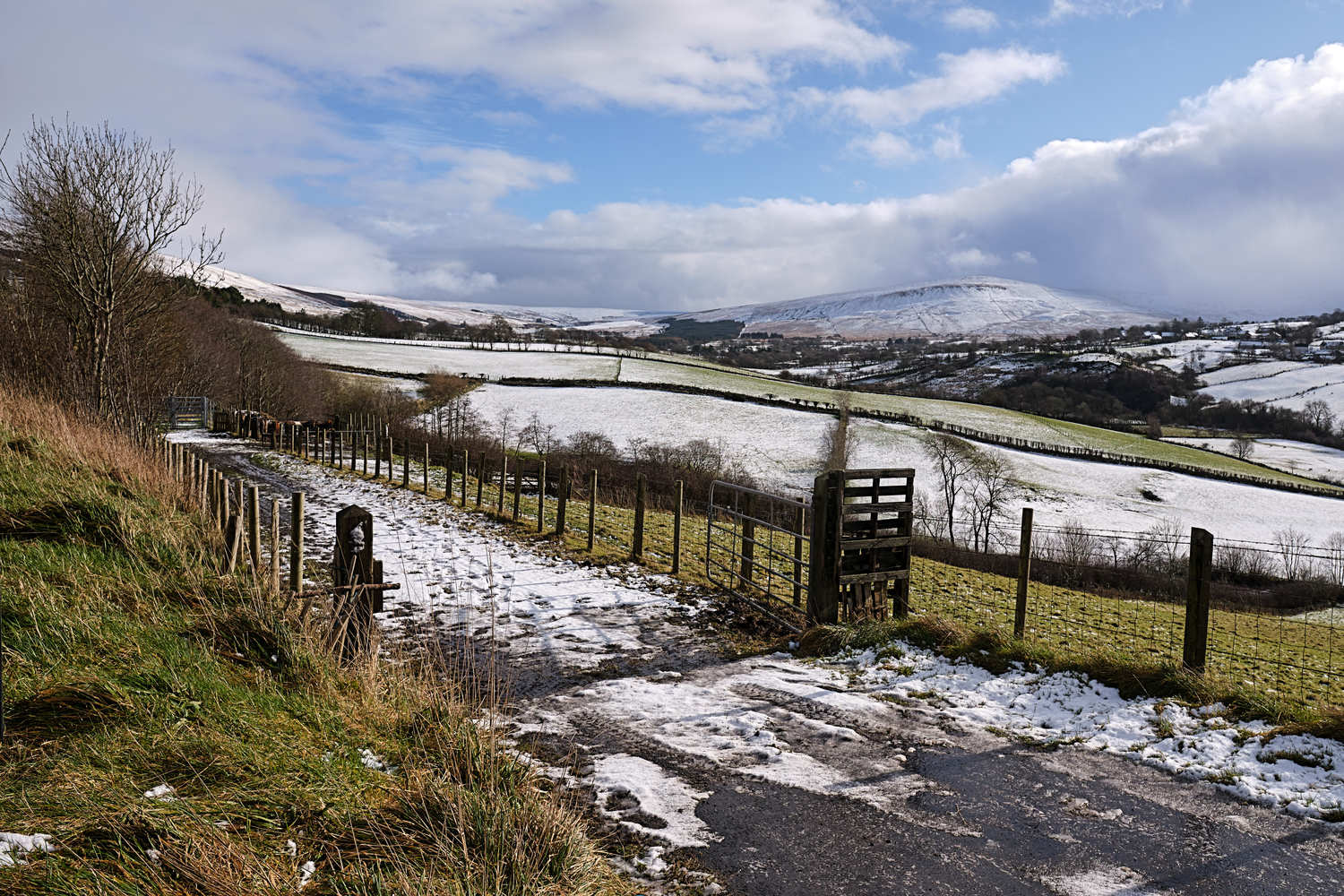
The inquiry heard evidence on the economic and environmental impacts of the proposed mine in the Sperrin mountains. Photo by John Stafford, Press Eye

The inquiry heard evidence on the economic and environmental impacts of the proposed mine in the Sperrin mountains. Photo by John Stafford, Press Eye

Police were called to a Planning Appeals Commission (PAC) inquiry into the proposed Dalradian Sperrins gold mine on Thursday following a dispute over unauthorised recording of the proceedings.

A 63-year-old man, who asked not to be identified, said that he required the recording due to a disability.

He was observed by security staff with a microphone attached to his mobile phone.

The matter was referred to the commission after he refused to cease recording. Three security personnel approached the man after the presiding commissioner, Jacqueline McParland, instructed him to stop, stating he did not have permission to record.

“You are discriminating against my disablement. I can’t process what is going on. I need this to fall back on,” he replied.

The man said that preventing him from recording was discriminatory and that he required an audio record to process the information presented. After he declined to comply, the commissioner adjourned the hearing to allow police to attend.

While he remained in his seat waiting for police, the man told The Detail: “I have brain damage and that affects how I process stuff. I won’t remember being here in a couple of days’ time, so I need hard data to understand what’s going on.

“I am disabled and I need this to engage with this process.”

The man, who lives in Omagh, said he opposes the gold mine application and had previously been involved in environmental campaigning. He said that if an official transcript was available, he would have relied on that instead of recording the proceedings.

The PAC has previously been asked to provide a live stream of the inquiry to facilitate those unable to attend in person. Requests have also been made for recordings, an official transcript, and for expert evidence to be given remotely. These requests have not been granted.

After PSNI officers arrived, Commissioner McParland instructed attendees to leave the auditorium. Proceedings later resumed, with the commissioner apologising for the disruption.

She also noted that multiple attendees had been recording and warned that anyone sharing material on social media that identified participants could be refused entry to future sessions.

Recording and livestreaming are often used at public inquiries to support transparency, accessibility and the creation of an accurate record, although approaches can vary depending on the inquiry.

The Inquiries Act 2005 provides for circumstances in which part or all of an inquiry may be held in private.

Although the Dalradian inquiry is taking place in Omagh, with attendance limited to those present, media organisations are permitted to report on proceedings.

New evidence

Further procedural concerns were raised during the inquiry regarding new evidence submitted by Dalradian and whether statutory consultees had been given an opportunity to respond.

During questioning by Commissioner Cathy McKeary, Department for Infrastructure (DfI) economist Michelle Thompson said she had ongoing concerns about how the economic value of the project had been calculated by Dalradian.

In Northern Ireland, economic considerations are a material factor in planning decisions and are assessed alongside environmental and social impacts.

Ms Thompson said Dalradian’s estimates should be “treated with caution” due to uncertainty across multiple inputs, many of which could change.

She said the company’s Gross Value Added (GVA) methodology, which is the value of the goods and services they would provide, was acceptable but described it as a “one-point estimate” that did not reflect local or regional impacts.

Responding on behalf of Dalradian, economist Andrew Hunt said the company’s assessment included costs and net revenue but not refining costs, and that issues had been addressed in a recent addendum to the planning application.

Ms Thompson was asked if the new economics document submitted by the company had addressed her points and if she had been consulted on them.

She said she had seen the updated documentation but had not been consulted on it, and that it had not fully addressed her concerns.

It also emerged that neither DfI’s economics branch nor Geological Survey Northern Ireland had assessed whether the volume of gold in the ground supported the projected value of the project.

Dalradian’s valuation referenced the price of refined gold, although the company intends to sell concentrate. Mr Hunt said concentrate values, approximately 96% of bullion prices, had been used.

In relation to resource estimates, SRK Consulting project manager John Merry, whose company penned a 2018 technical study of the mine, stated that Geological Survey Northern Ireland had reviewed and supported the evaluation.

However, Mr Fegan of FODC added that their report states it “must not be relied on as a source of specific information”.

Additional documentation submitted by Dalradian included responses to issues raised during the Irish government’s transboundary consultation, including environmental, social and economic impacts.

It emerged on Tuesday that these additional reports had been submitted by a staff member at the mining company’s Belfast legal firm, Cleaver Fulton Rankin, who had objected to the planning application and was invited to make a submission.

Concerns

These materials were accepted into evidence. However, third parties, statutory consultees and public bodies have not been given an opportunity to respond in writing to the new information.

The Commissioners raised concerns about how these issues would be addressed.

Commissioner McKeary asked DfI counsel Barney McKay whether further information would be required, noting that consultees had identified outstanding issues.

“They have raised issues that they consider to be outstanding, how are they going to be addressed?” she said.

Mr McKay said these could be addressed through representations at the inquiry and by putting questions to statutory consultees.

Commissioners questioned whether this approach was sufficient, particularly where consultees had not been formally consulted on new material.

“No party to this inquiry has seen them, has heard them, or had the opportunity to react to them,” Commissioner McParland told DfI’s counsel, Barney McKay.

“We do have to consider people having to react to something that’s said. That’s entirely unacceptable to all parties.”

She also reiterated that the inquiry is not intended to process or complete the application itself.

“I have to reiterate at this stage that the inquiry is not the forum to process the application. This is now an issue and will continue becoming an issue.”

Fermanagh and Omagh District Council counsel Conor Fegan said consideration should be given to whether further written evidence was required, particularly if new oral evidence were to be introduced.

Save Our Sperrins solicitor Mary Brolly also raised concerns about the process and suggested the matter be referred back to DfI to determine whether the inquiry could proceed appropriately.

She said: “I just am shocked that you now are proceeding to hear new evidence. This is not how the PAC should be proceeding.”

She suggested returning the issue to DfI to consider if the inquiry is in a position to proceed, adding: “It is not for you or the third parties to be going through this application. It can’t continue like this.”

Mr McKay said the issue was whether statutory consultees should have been re-consulted following the transboundary process, adding that receiving additional evidence at the inquiry “does not mean the commission is processing the application”.

He said consultees had been provided with the applicant’s transboundary response and could update their views through oral submissions.

He proposed allocating time at the start of each topic for consultees to provide updates.

FODC counsel Conor Fegan said “there should have been a rebuttal” after Dalradian’s new evidence and that he would be “resisting on the strongest terms if any further information is going to be put in”.

He also raised concerns about “if this inquiry process was used as an opportunity for applications to be updated or gaps to be plugged”.

Third parties also criticised the approach, including whether sufficient time would be available and whether they had adequate information to respond.

Concerns were also expressed that questions posed by the commission were based on earlier submissions that may not reflect the most recent evidence.

Save Our Sperrins member Emmet McAleer asked why the department is “tearing on regardless of late information or missing information”.

He also said he believes the process is under “undue influence or pressure to push the process through” after public statements and media reports about the “length of time” it is taking rather than “looking at the concerns raised”.

Third-party objector Pat Haughey added that proceedings have “been totally disadvantageous to us and should not be allowed.”

“We are eight and a half years down the road,” he added. “We would relish the opportunity to see all the information in one place.”

Commissioner McParland acknowledged that some questions may relate to material that has since been updated.

The inquiry will continue on Tuesday 5 May.

Shauna Corr is an investigative reporter

Receive The Detail story alerts by email
Subscribe on Substack

Police were called to a Planning Appeals Commission (PAC) inquiry into the proposed Dalradian Sperrins gold mine on Thursday following a dispute over unauthorised recording of the proceedings.

A 63-year-old man, who asked not to be identified, declined requests to stop recording audio of the session, stating that he required the recording due to a disability.

He was observed by security staff with a microphone attached to his mobile phone.

The matter was referred to the commission after he refused to cease recording. Three security personnel approached the man after the presiding commissioner, Jacqueline McParland, instructed him to stop, stating he did not have permission to record.

She said: “You have no remit to record,” to which he replied: “You are discriminating against my disablement. I can’t process what is going on. I need this to fall back on.”

The man said that preventing him from recording was discriminatory and that he required an audio record to process the information presented. After he declined to comply, the commissioner adjourned the hearing to allow police to attend.

While he remained in his seat waiting for police, the man told The Detail: “I have brain damage and that affects how I process stuff. I won’t remember being here in a couple of days’ time, so I need hard data to understand what’s going on.

“I am disabled and I need this to engage with this process and she is saying ‘no’.”

The man, who lives in Omagh, said he opposes the gold mine application and had previously been involved in environmental campaigning. He said that if an official transcript was available, he would have relied on that instead of recording the proceedings.

The PAC has previously been asked to provide a live stream of the inquiry to facilitate those unable to attend in person. Requests have also been made for recordings, an official transcript, and for expert evidence to be given remotely. These requests have not been granted.

After PSNI officers arrived, Commissioner McParland instructed attendees to leave the auditorium. Proceedings later resumed, with the commissioner apologising for the disruption.

She also noted that multiple attendees had been recording and warned that anyone sharing material on social media that identified participants could be refused entry to future sessions.

Recording and livestreaming are often used at public inquiries to support transparency, accessibility and the creation of an accurate record, although approaches can vary depending on the inquiry.

The Inquiries Act 2005 provides for circumstances in which part or all of an inquiry may be held in private.

Although the Dalradian inquiry is taking place in Omagh, with attendance limited to those present, media organisations are permitted to report on proceedings.

New oral evidence

Further procedural concerns were raised during the inquiry regarding new evidence submitted by Dalradian and whether statutory consultees had been given an opportunity to respond.

During questioning by Commissioner Cathy McKeary, Department for Infrastructure (DfI) economist Michelle Thompson said she had ongoing concerns about how the economic value of the project had been calculated by Dalradian.

In Northern Ireland, economic considerations are a material factor in planning decisions and are assessed alongside environmental and social impacts.

Ms Thompson said Dalradian’s estimates should be “treated with caution” due to uncertainty across multiple inputs, many of which could change. She said the company’s Gross Value Added (GVA) methodology, which is the value of the goods and services they would provide, was acceptable but described it as a “one-point estimate” that did not reflect local or regional impacts.

Responding on behalf of Dalradian, economist Andrew Hunt said the company’s assessment included costs and net revenue but not refining costs, and that issues had been addressed in a recent addendum to the planning application.

Ms Thompson was asked if the new economics document submitted by the company had addressed her points and if she had been consulted on them.

She said she had seen the updated documentation but had not been consulted on it, and that it had not fully addressed her concerns.

It also emerged that neither DfI’s economics branch nor Geological Survey Northern Ireland had assessed whether the volume of gold in the ground supported the projected value of the project.

Dalradian’s valuation referenced the price of refined gold, although the company intends to sell concentrate. Mr Hunt said concentrate values, approximately 96% of bullion prices, had been used.

In relation to resource estimates, SRK Consulting project manager John Merry, whose company penned a 2018 technical study of the mine, stated that Geological Survey Northern Ireland had reviewed and supported the evaluation.

However, Mr Fegan of FODC added that their report states it “must not be relied on as a source of specific information”.

Additional documentation submitted by Dalradian included responses to issues raised during the Irish government’s transboundary consultation, including environmental, social and economic impacts.

It emerged on Tuesday that these additional reports had been submitted by a staff member at the mining company’s Belfast legal firm, Cleaver Fulton Rankin, who had objected to the planning application and was invited to make a submission.

These materials were accepted into evidence. However, third parties, statutory consultees and public bodies have not been given an opportunity to respond in writing to the new information.

The Commissioners raised concerns about how these issues would be addressed.

Commissioner McKeary asked DfI counsel Barney McKay whether further information would be required, noting that consultees had identified outstanding issues.

“They have raised issues that they consider to be outstanding, how are they going to be addressed?” she said.

Mr McKay said these could be addressed through representations at the inquiry and by putting questions to statutory consultees.

Commissioners questioned whether this approach was sufficient, particularly where consultees had not been formally consulted on new material.

“No party to this inquiry has seen them, has heard them, or had the opportunity to react to them,” Commissioner McParland told DfI’s counsel, Barney McKay.

“We do have to consider people having to react to something that’s said. That’s entirely unacceptable to all parties.”

She also reiterated that the inquiry is not intended to process or complete the application itself.

“I have to reiterate at this stage that the inquiry is not the forum to process the application. This is now an issue and will continue becoming an issue.”

Fermanagh and Omagh District Council counsel Conor Fegan said consideration should be given to whether further written evidence was required, particularly if new oral evidence were to be introduced.

Save Our Sperrins solicitor Mary Brolly also raised concerns about the process and suggested the matter be referred back to DfI to determine whether the inquiry could proceed appropriately.

She said: “I just am shocked that you now are proceeding to hear new evidence. This is not how the PAC should be proceeding.”

She suggested returning the issue to DfI to consider if the inquiry is in a position to proceed, adding: “It is not for you or the third parties to be going through this application. It can’t continue like this.”

Mr McKay said the issue was whether statutory consultees should have been re-consulted following the transboundary process, adding that receiving additional evidence at the inquiry “does not mean the commission is processing the application”.

He said consultees had been provided with the applicant’s transboundary response and could update their views through oral submissions.

He proposed allocating time at the start of each topic for consultees to provide updates.

FODC counsel Conor Fegan said “there should have been a rebuttal” after Dalradian’s new evidence and that he would be “resisting on the strongest terms if any further information is going to be put in”.

He also raised concerns about “if this inquiry process was used as an opportunity for applications to be updated or gaps to be plugged”.

Third parties also criticised the approach, including whether sufficient time would be available and whether they had adequate information to respond.

Concerns were also expressed that questions posed by the commission were based on earlier submissions that may not reflect the most recent evidence.

Save Our Sperrins member Emmet McAleer asked why the department is “tearing on regardless of late information or missing information”.

He also said he believes the process is under “undue influence or pressure to push the process through” after public statements and media reports about the “length of time” it is taking rather than “looking at the concerns raised”.

Third-party objector Pat Haughey added that proceedings have “been totally disadvantageous to us and should not be allowed.”

“We are eight and a half years down the road,” he added. “We would relish the opportunity to see all the information in one place.”

Commissioner McParland acknowledged that some questions may relate to material that has since been updated.

The inquiry will continue on Tuesday 5 May.

ends

Receive The Detail story alerts by email
Subscribe on Substack