Hero color pe 00977630
Ballymena riots: PSNI made no child exploitation referrals despite concerns
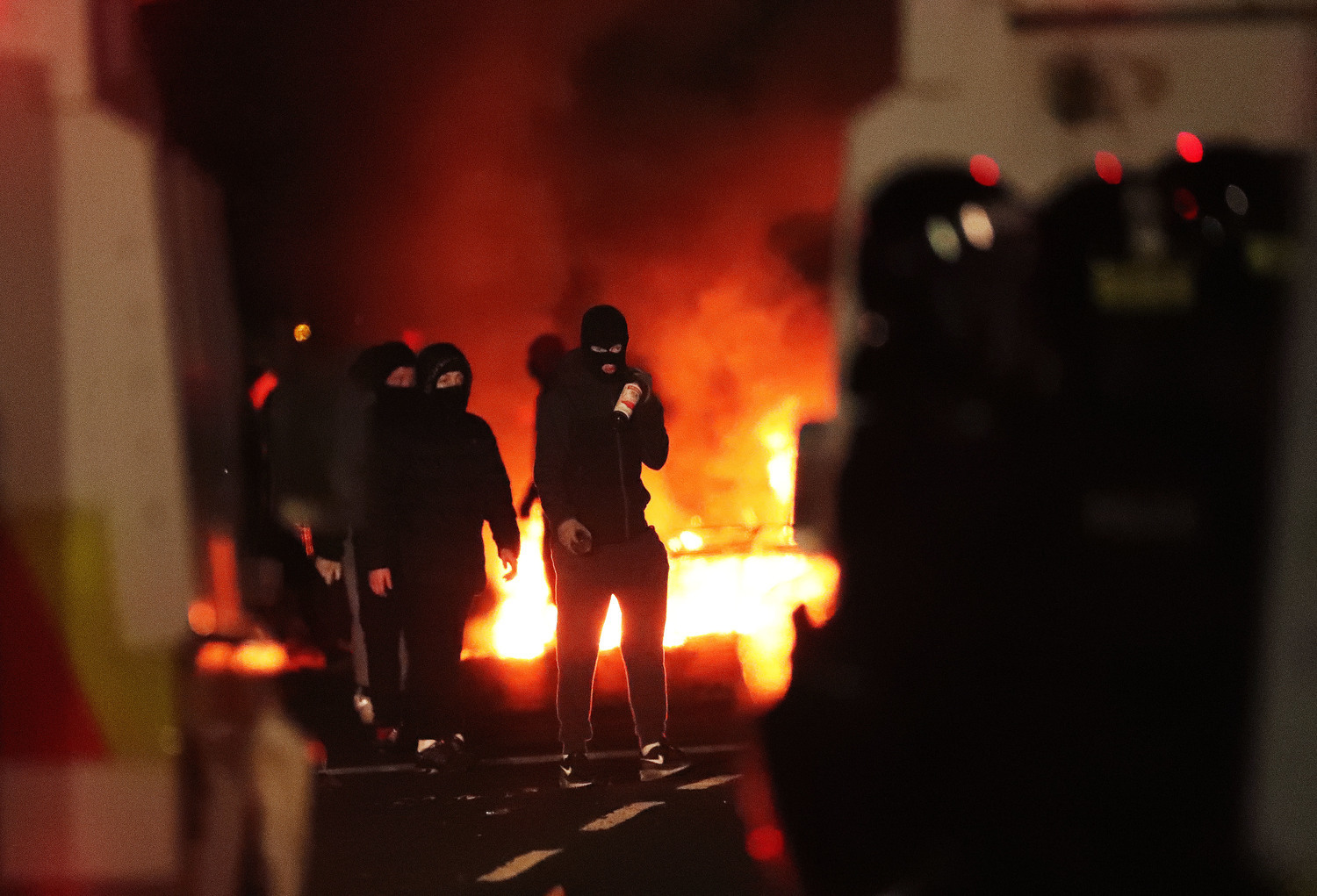
A third of those arrested in Ballymena and other towns last year were children. Photo by Press Eye

The PSNI did not refer a single child arrested during the Ballymena riots into the government mechanism used to identify victims of child criminal exploitation, despite concerns that young people were groomed or coerced into violence.

A third of those arrested following disorder in Ballymena and other towns last year were children, accounting for 33 out of 100 arrests.

Meeting notes obtained through Freedom of Information requests show police and statutory agencies discussed concerns that some young people involved may have been victims of child criminal exploitation (CCE).

One emergency stakeholder meeting during the June 2025 disorder, involving the PSNI, health trusts and other agencies, warned there was “a lot of background involved in CCE” linked to the “number of juveniles” involved in the unrest.

Another meeting held days later noted that “there is a recognition that some of the violence could be a result of child criminal exploitation”.

Child criminal exploitation involves children being coerced or groomed into crime, including rioting, by individuals, gangs, or paramilitaries.

Children suspected of being exploited can be referred to the National Referral Mechanism (NRM), a government framework intended to identify and support victims of trafficking and exploitation.

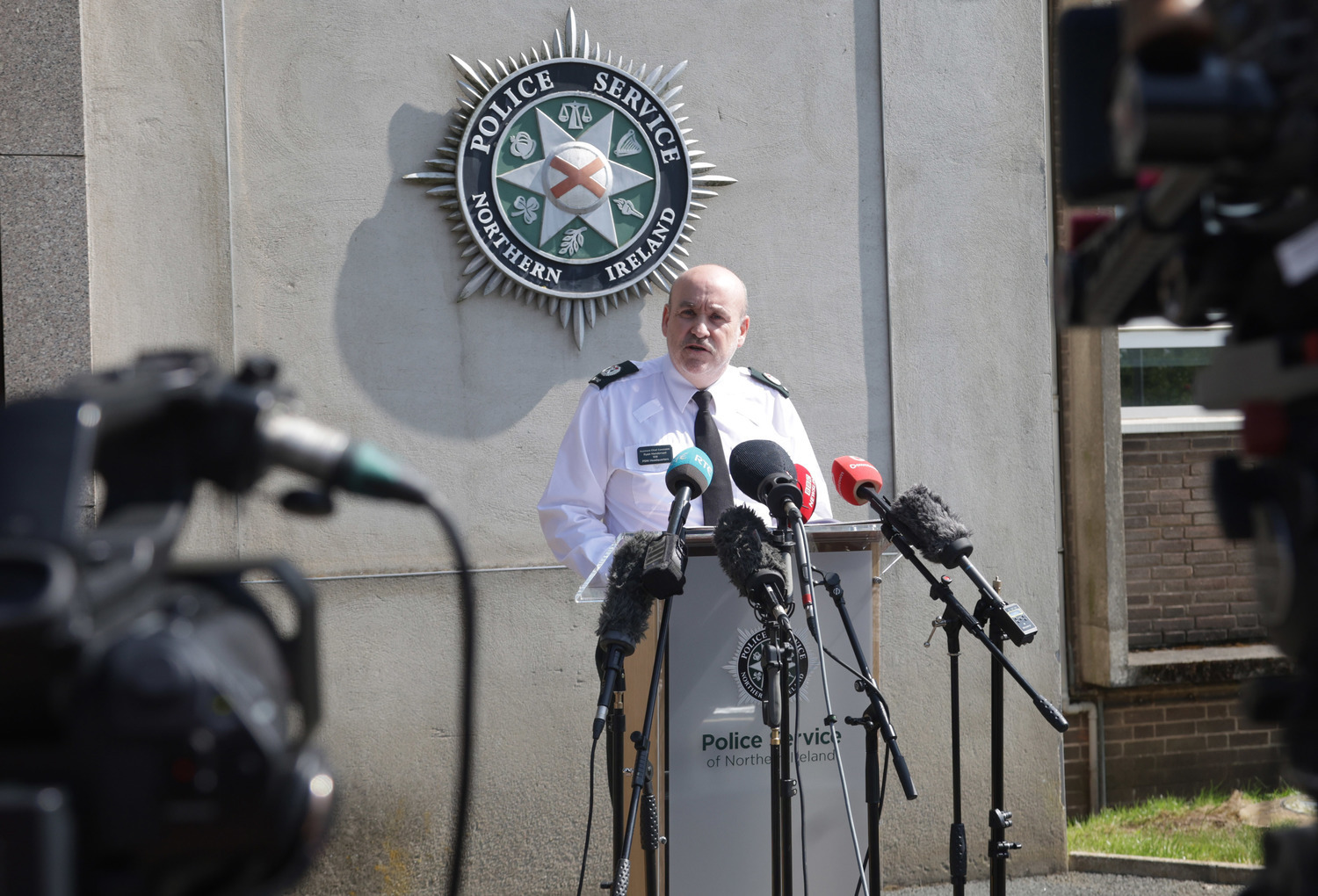
At the time of the riots, police publicly stated they had “absolutely” seen “people who were directing young people” to commit violence and attack officers.

The PSNI also said individuals associated with paramilitary groups had been present during the disorder, although officers said it was unclear who was coordinating events.

Despite the concerns raised privately and publicly, the PSNI told The Detail that no referrals were made because there was “no evidence” children involved were victims of exploitation.

A PSNI spokeswoman said: “None of the children involved in recent disorder within the Ballymena area were referred to the National Referral Mechanism for CCE as we do not believe there was a specific incident of exploitation of a young person.”

The revelations also appear to contradict earlier PSNI responses to media and Freedom of Information queries.

In January, the Belfast Telegraph reported that all children arrested during the Ballymena riots and August 2024 Belfast riots had been referred as potential child criminal exploitation victims.

However, the PSNI has now clarified that no CCE referrals were made.
Hero color pe 00992188
'Young people are being exploited'
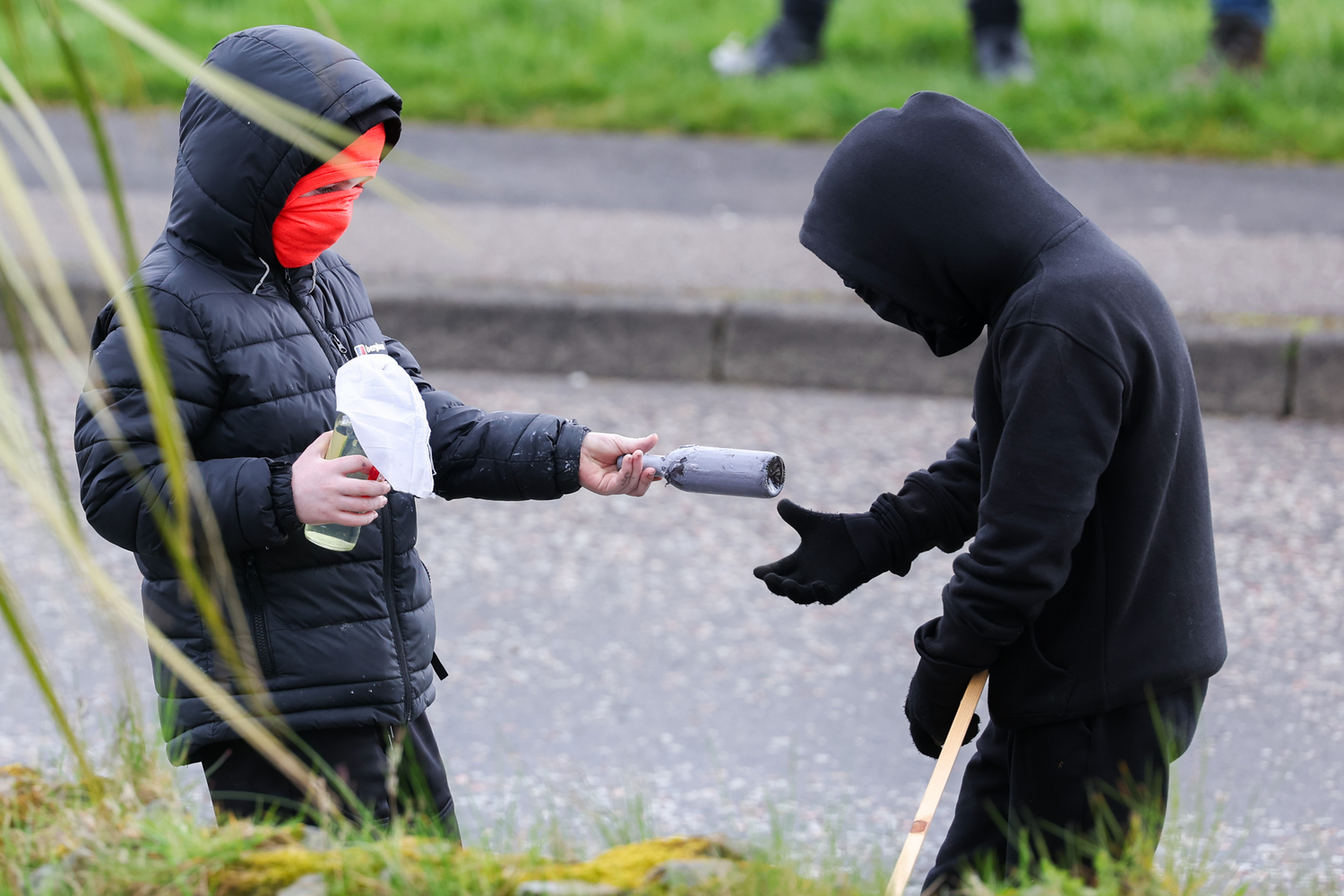
Young children wearing masks and holding petrol bombs at Easter Rising commemorations in Derry in April. Photo by Press Eye

A youth worker with experience supporting exploited children described the absence of referrals as “horrific”.

Megan Phair of the charity Invisible Traffick said it was widely recognised that criminal and paramilitary groups exploit children and young people during periods of disorder.

“It's horrific to understand that a third of the people arrested were under 18.

“But it's even more horrific that a state body that should be looking out for the rights of children and young people, even if they are committing crimes, are not thinking about the child.”

“I know for certain that there have been young people who are in juvenile justice who have been exploited, and who shouldn't be there,” she added.

Ms Phair said young people involved in violence may not recognise themselves as victims of exploitation.

“Young people don’t always know they’re being exploited,” she said.

“This work is nuanced. If you think of someone trapped in an abusive situation, they are not going to tell you the first time ‘Oh, by the way, I'm being abused, and this is the person doing it and I don't know how to escape this’.

“It's a relationship you have to build, you are the adult in the room,” she said of the police.

Referring to disorder during Easter Rising commemorations in Derry earlier this year, she added: “You have a seven-year-old holding a petrol bomb, their small hands can hardly stretch around it. Who is providing that? The glass bottle? The petrol?”

Ms Phair also said multiple community sources had told her children and young people were being “bussed in” towards the disorder in Ballymena last year.

“I heard this from elected reps, community members, from so many different people. They can't all be wrong,” she said.

She warned that criminalising exploited children risks perpetuating cycles of harm.

“You find the same people who were exploited as children are now exploiting children, and those children will then exploit children, until we put a stop to it.”

“We have intergenerational generational trauma. I’d nearly say we have intergenerational grooming.”

“And that cycle just continues and will continue till we get a handle on this paramilitary issue."

Earlier this year, a report by the Criminal Justice Inspectorate (CJINI) found that vulnerable children treated as suspects not victims.

Inspectors said that the response to child criminal exploitation in Northern Ireland “was inconsistent and, in many respects, inadequate.”

Neither the Department of Justice nor any other agency could provide any data on the extent of child criminal exploitation in Northern Ireland.

Hero color pe 00977621
Lack of referrals 'do not reflect reality'
Assistant Chief Constable Ryan Henderson said police had seen “people who were directing young people” during the Ballymena riots. Photo by Press Eye

Children made up a significantly larger proportion of arrests linked to disorder in Northern Ireland than in comparable unrest in England.

In Ballymena and other towns, children accounted for a third of all arrests. During the summer 2024 riots in England, the equivalent figure was 16%.

Despite longstanding concerns about child criminal exploitation, formal referrals into the National Referral Mechanism in Northern Ireland have remained extremely rare.

Between 2014 and 2024, there was not a single referral of a UK/Irish male child to the NRM, despite reported local exploitation, including during disorder in Belfast and Derry in 2024, and Lanark Way in 2021.

In 2025, there were ten such referrals, two from police and eight from social services.

By comparison, there were 2,384 referrals involving the criminal exploitation of British children in England last year alone.

Across Britain, between October 2024 and September 2025, between 82% and 88% of children referred to the NRM were formally recognised as victims of exploitation.

Referral to the NRM can also provide protections that help prevent exploited children from being criminalised.

Legislation introduced across the UK in 2015 provides a statutory defence for children who commit offences as a direct consequence of exploitation. The defence is commonly used in England.

However, in the more than 10 years since it was introduced in Northern Ireland it has never been used, a spokeswoman for the Department of Justice said.

John O’Doherty, CEO at Children’s Law Centre, said that it was “well recognised that children in Northern Ireland are being coerced into criminal behaviour by adults during spells of disorder.”

He said the lack of NRM referrals “do not reflect that reality.”

“Bringing children, often children from disadvantaged backgrounds, into the criminal justice system can result in higher levels of repeat offending,” he said.

“It also does nothing to tackle the root problem to protect wider society.”

Hero color pe 00883976
Children 'vulnerable' to exploitation
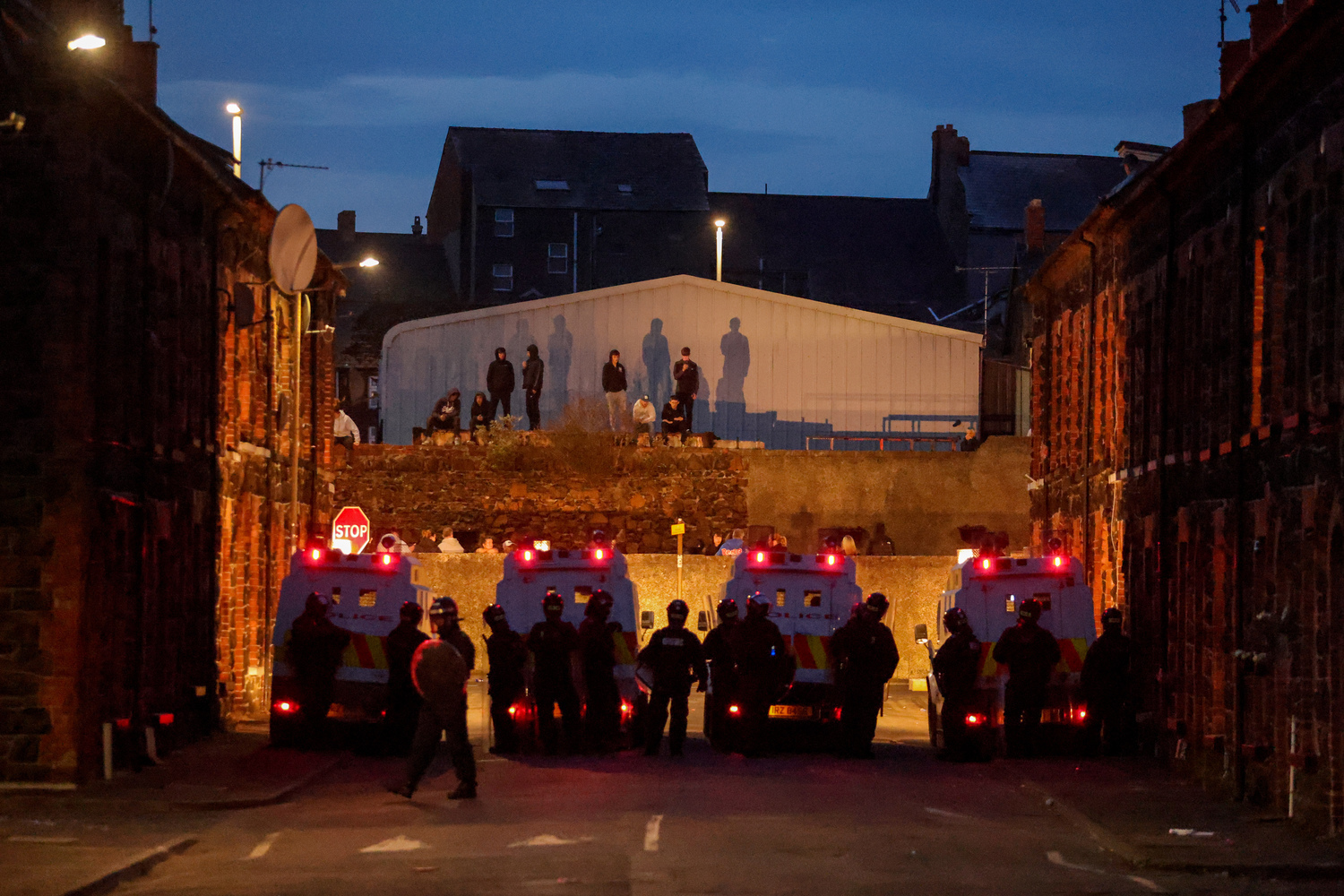
Rioting on Lanark Way in Belfast, 2021. Photo by Kelvin Boyes, Press Eye

Recent efforts to improve the response to child criminal exploitation in Northern Ireland include new training programmes, awareness sessions on statutory protections and an action plan aimed at improving data collection.

A pilot scheme launched earlier this year is also intended to improve how child victims are identified and speed up decision-making.

The initiative follows similar schemes introduced in parts of Britain since 2021, where responsibility for decisions involving exploited children was transferred from the Home Office to specially trained local safeguarding teams.

Average decision times reportedly fell from 471 days to 101 days.

In response to questions from The Detail, the PSNI said safeguarding children remained a core priority.

The PSNI recognises “that children and young people can be vulnerable to coercion, grooming and exploitation by criminal elements, including in the context of public disorder.”

The PSNI said they work with partners to identify and disrupt exploitation and refer cases to the NRM where thresholds are met.

“Where officers encounter a child or young person in the context of public disorder or any criminal investigation, safeguarding considerations form part of the assessment process. Each case is reviewed individually, based on the specific circumstances and the information available at the time.”

Regarding Ballymena, the force said “no evidence [was] identified during the investigation to indicate that the children involved were victims of child criminal exploitation by paramilitary or other organised criminal groups.

“As such, no referrals were made to exploitation assessment pathways on that specific basis.

“That does not mean that safeguarding action was not taken. Where appropriate, children were referred to local safeguarding partners, including Health and Social Care Trusts, in line with established child protection procedures.”

Receive The Detail story alerts by email
Subscribe on Substack