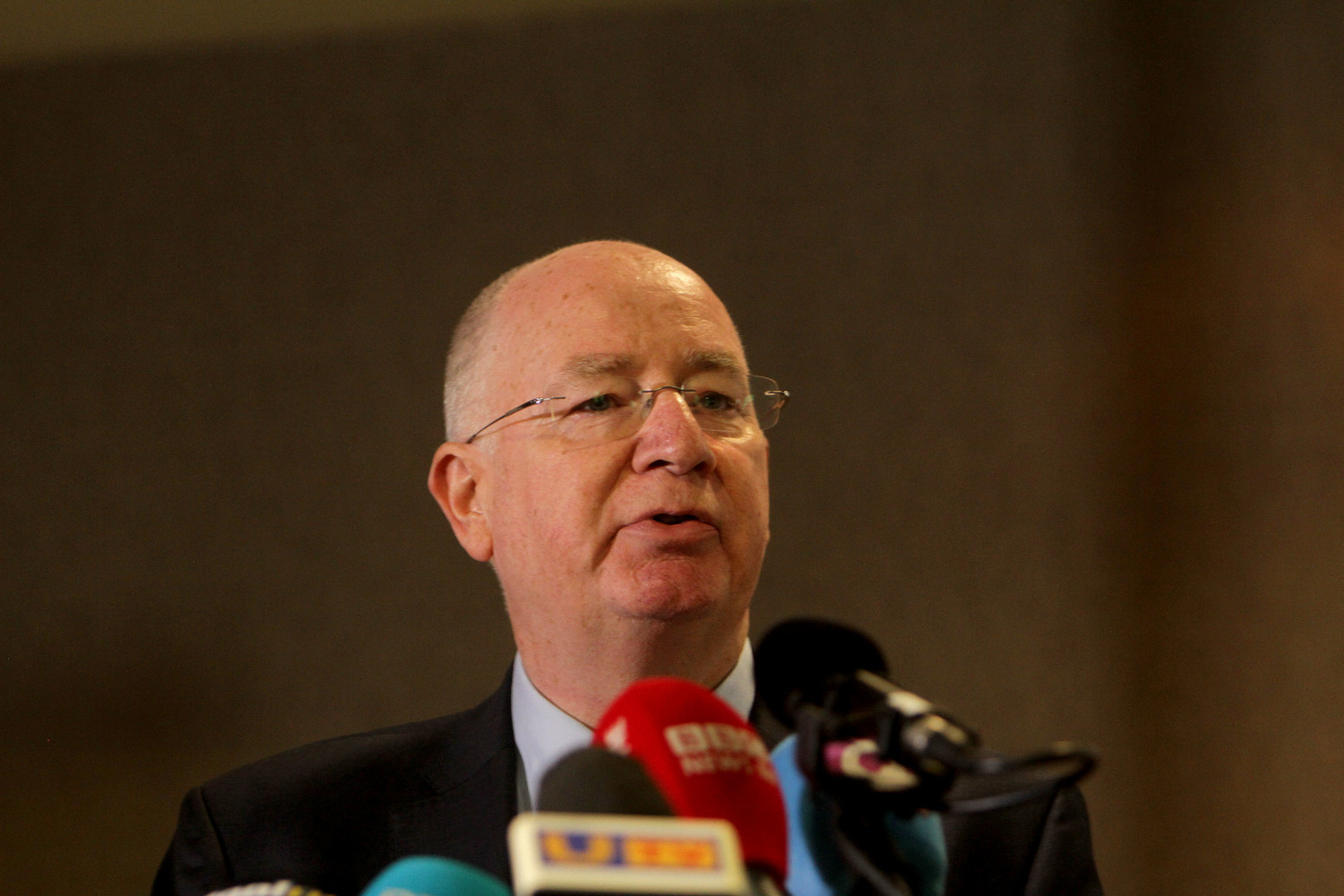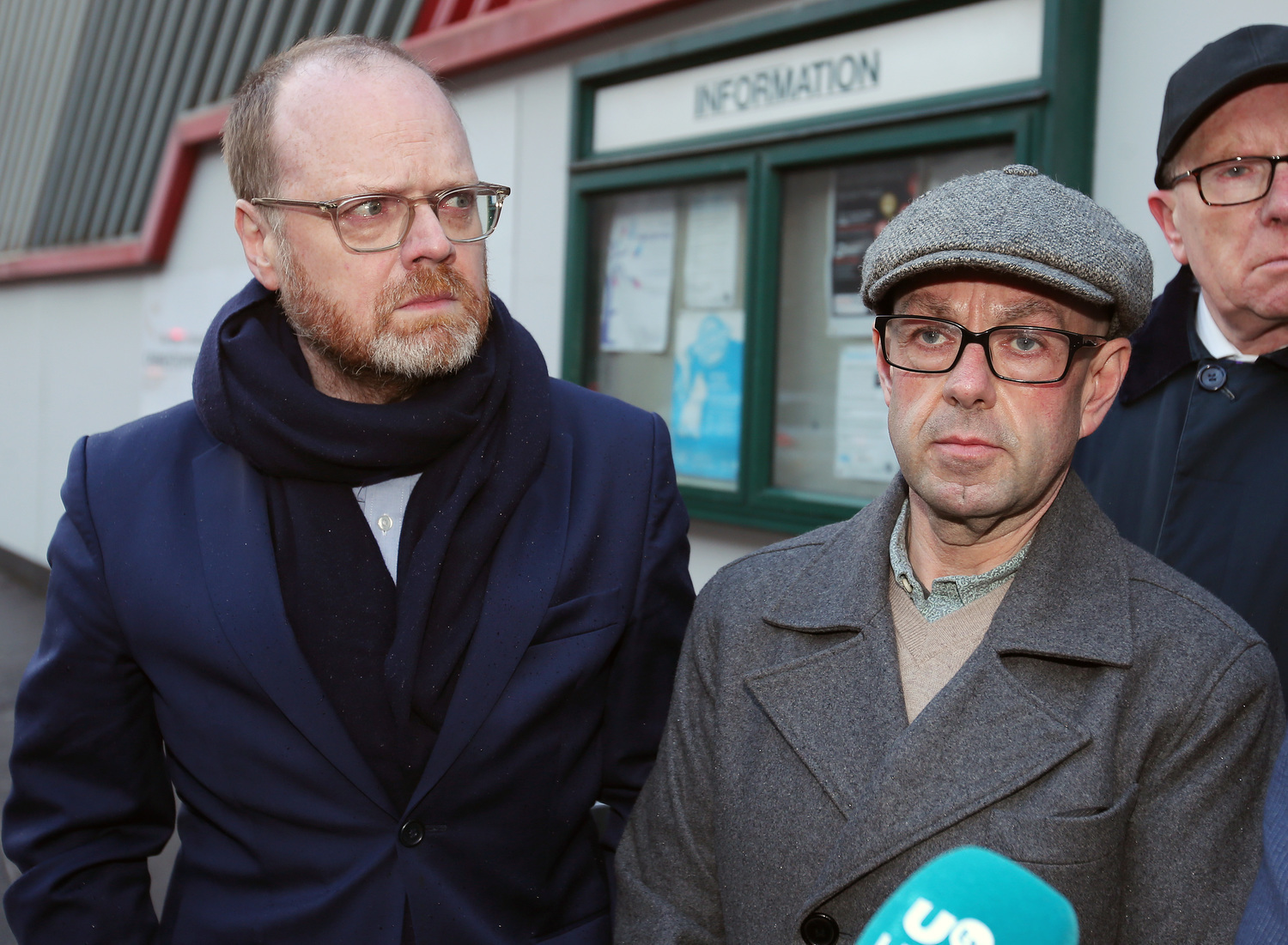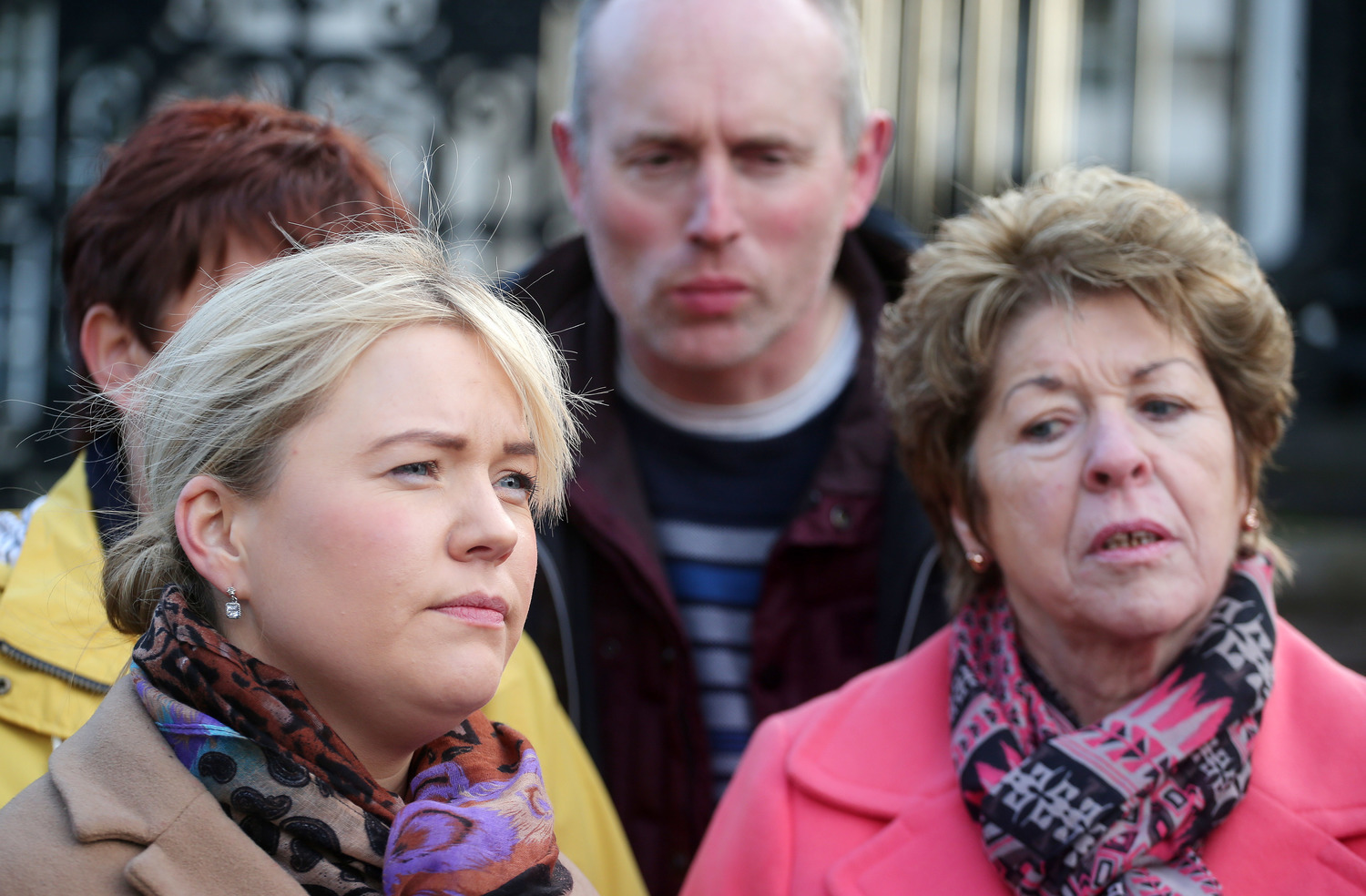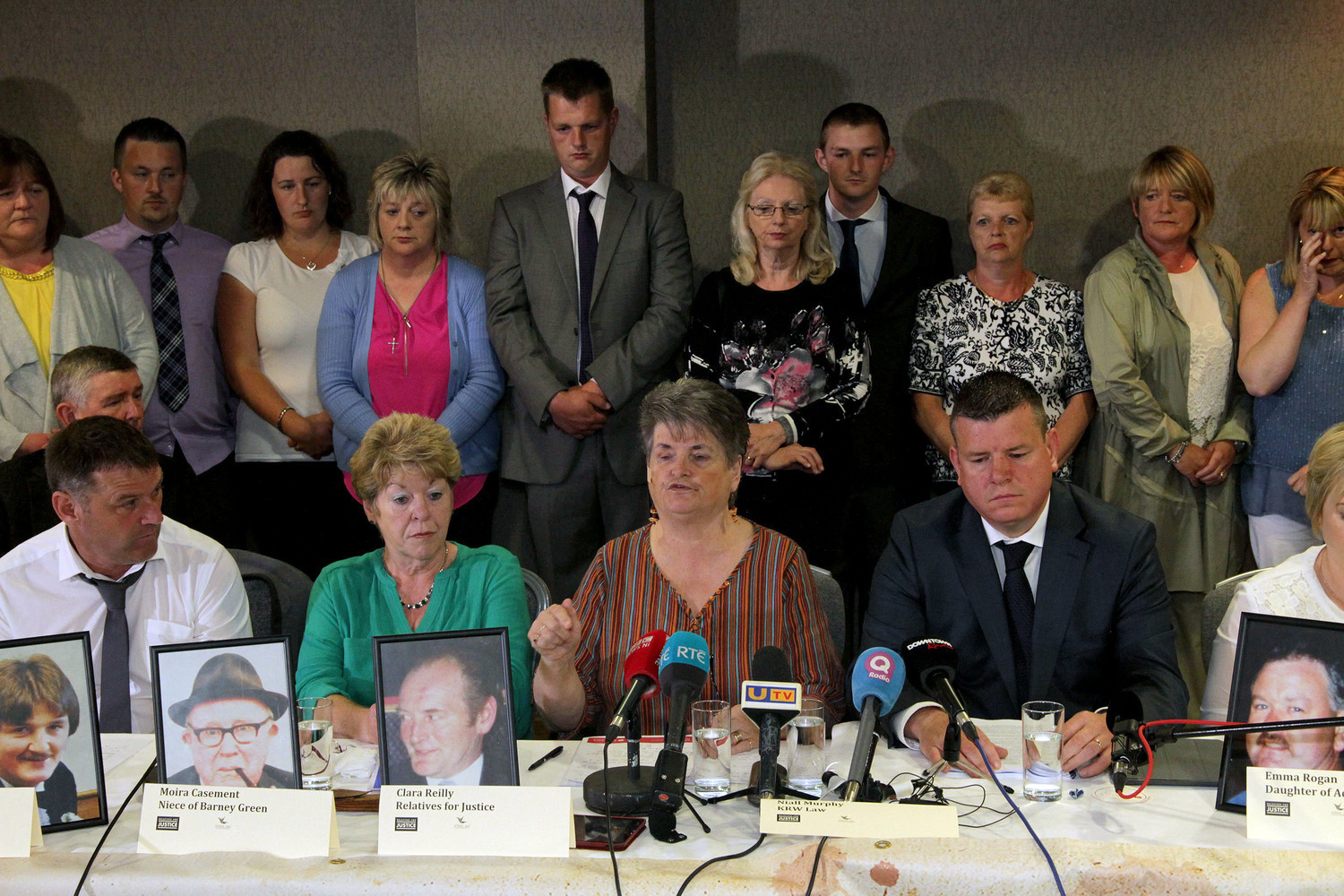
Ten years to the day since the then Police Ombudsman published his report into the massacre of six Catholics at Loughinisland, Dr. Michael Maguire says he stands over his finding of collusion.
The ten years have seen a series of legal challenges and two journalists wrongly arrested for their investigation, but speaking publicly for the first time, Maguire insists “For all of the litigation and for all the criticism, there hasn’t been any substantive challenge to the facts.”
“I had no concerns in using the term collusion. The facts are the facts, it’s not opinion.”
In a wide-ranging interview with The Detail, Maguire says:
· Legal attempts to quash his report failed and it still stands.
· The kind of report produced on Loughinisland can’t happen again due to a change in legacy legislation.
· He’s “stunned” that the new Independent Commission for Reconciliation and Information Recovery (ICRIR) hasn’t produced reports despite spending £60 million in two years and says “the jury’s out” on whether the body can be a success.
· He’s surprised that there’s no commentary on the fact that a new Police Ombudsman hasn’t been appointed, with the important office vacant since December.
The evening before the public release of the report in 2016, Dr Maguire privately met the families in Loughinisland GAA club, fulfilling a promise that he would let them know his findings before the rest of the world.
In emotional scenes filmed by documentary makers, some family members wept as they heard the term “collusion” confirmed officially for the first time in the murders of Barney Green, Malcolm Jenkinson, Daniel McCreanor, Patsy O’Hare, Adrian Rogan and Eamon Byrne.
Next week marks the 32nd anniversary of the atrocity in the Heights Bar, Loughinisland, when the six were gunned down by loyalists as they watched Ireland play Italy in the 1994 World Cup.
Nobody has been charged with the killings.
Maguire’s report was the second one carried out by the office of the Police Ombudsman of Northern Ireland (PONI). The previous investigation by his predecessor, Al Hutchinson, was rejected as a whitewash by the families who launched legal action to have it quashed.
Maguire took over the role in 2012 and he explains:
“The families were very unhappy with Al Hutchinson’s report. So, it was one of the first issues on my desk when I became police ombudsman. I looked at the report then and I wasn't happy with it. I thought it wasn't wide enough. I thought it didn't go into enough detail,” says Maguire, who won the support of the families when he decided to start again with a fresh investigation.
He believed they weren’t “stand alone” killings, and it was important to look at the sequence of events going back five years or more, particularly the importation of arms from South Africa to loyalists in the late 1980s, which included the VZ58 rifles used at Loughinisland.
“The gang and those involved around the murders had also been involved in some previous events as well. We took a more strategic view of what was happening as well as looking in much more detail at the Loughinisland murders, looking at the intelligence that the police had and so on,” he says.